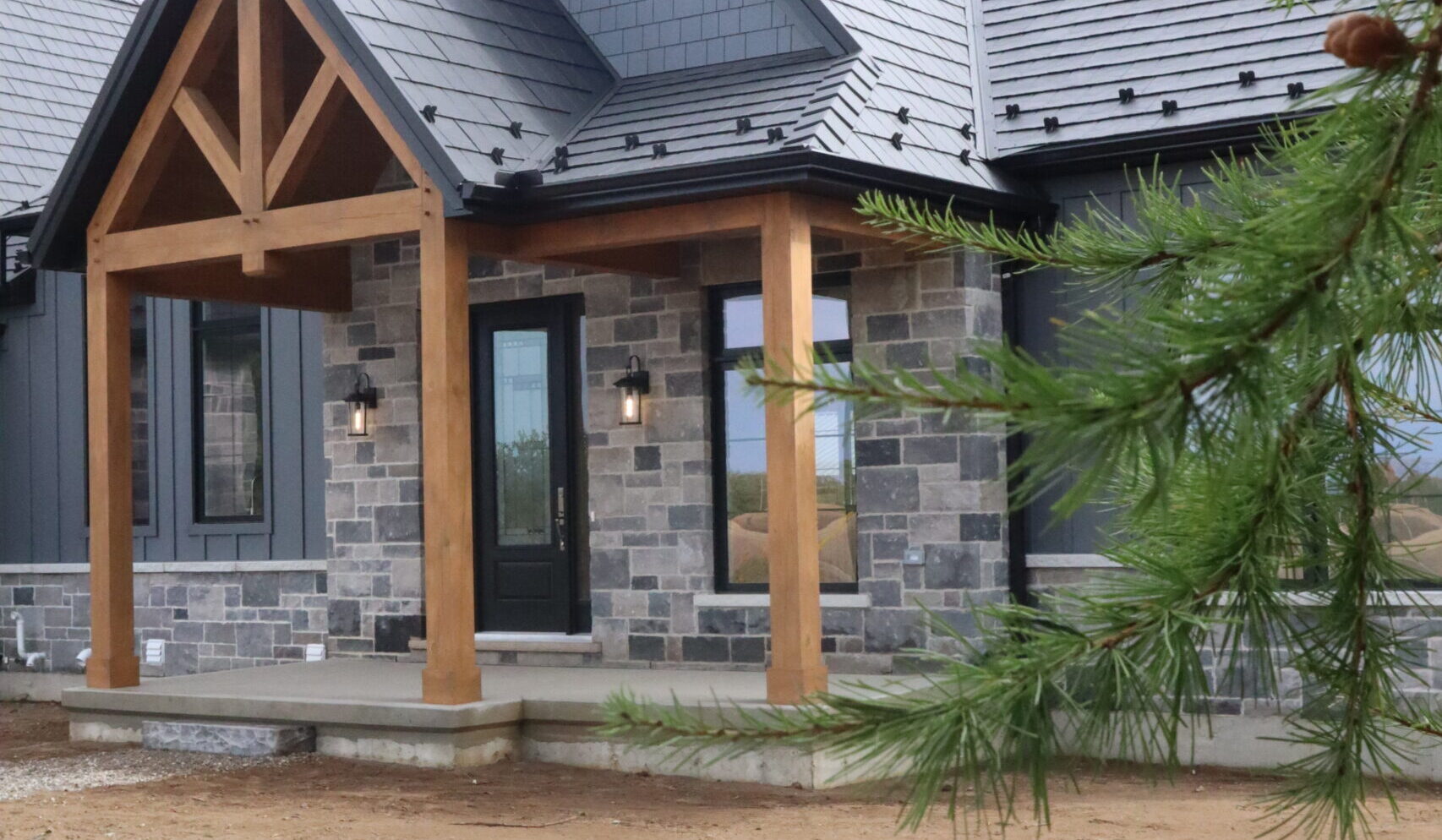
Tearing down an existing home and building a new one on the same property can be an exciting opportunity, but it also comes with big decisions that homeowners often underestimate. For homeowners considering a custom home in St. Thomas, ON, understanding what happens before demolition starts is just as important as the construction itself. Timelines, site conditions, existing systems, and long term value all play a role in whether a teardown rebuild feels smooth or stressful.
In one recent conversation we had with a homeowner, they were surprised to learn that the planning and approvals stage of a custom home could take nearly as long as the construction itself, which changed how they approached budgeting and temporary living plans.
Is tearing down and rebuilding better than renovating?
For many homeowners, rebuilding makes sense when the existing structure is outdated, inefficient, or limited by layout. Renovations often uncover hidden issues like structural deficiencies, aging wiring, or poor insulation that drive up costs without delivering a fully modern home. A custom home allows homeowners to start fresh with a layout designed for how they live today, while meeting current building standards and energy efficiency expectations.
What needs to be evaluated before demolition?
Does the existing house affect what can be built?
Before tearing anything down, zoning rules, setbacks, lot coverage, and height restrictions must be reviewed. A teardown rebuild usually triggers full compliance with current building codes, which can influence everything from foundation design to insulation levels. These rules shape what is realistically possible in a custom home long before construction begins.
What happens to existing utilities and systems?
Existing systems like septic, well, water service, and electrical connections need early evaluation. During a custom home project, older systems are often no longer properly sized or permitted, especially if the new home includes more bedrooms, bathrooms, or modern fixtures.
Do septic systems usually need to be replaced during a rebuild?
In many cases, yes. Septic systems are designed based on bedroom count, square footage, and fixture usage. Older systems often do not meet current requirements or have enough capacity for a new custom home. Even when part of the system is still functional, upgrades or full replacement are common during a teardown rebuild.
How long does a teardown rebuild usually take?
How long is the planning and design phase?
The design and pre construction phase of a custom home can take several months. This stage includes developing the layout, engineering, energy compliance, and securing permits. Taking the time to plan properly helps reduce costly changes once construction is underway.
How long does construction take?
Once construction begins, most custom home projects take several additional months to complete. The exact timeline depends on home size, design complexity, site conditions, and material choices.
What foundation choices should homeowners think about?
Is a basement worth it?
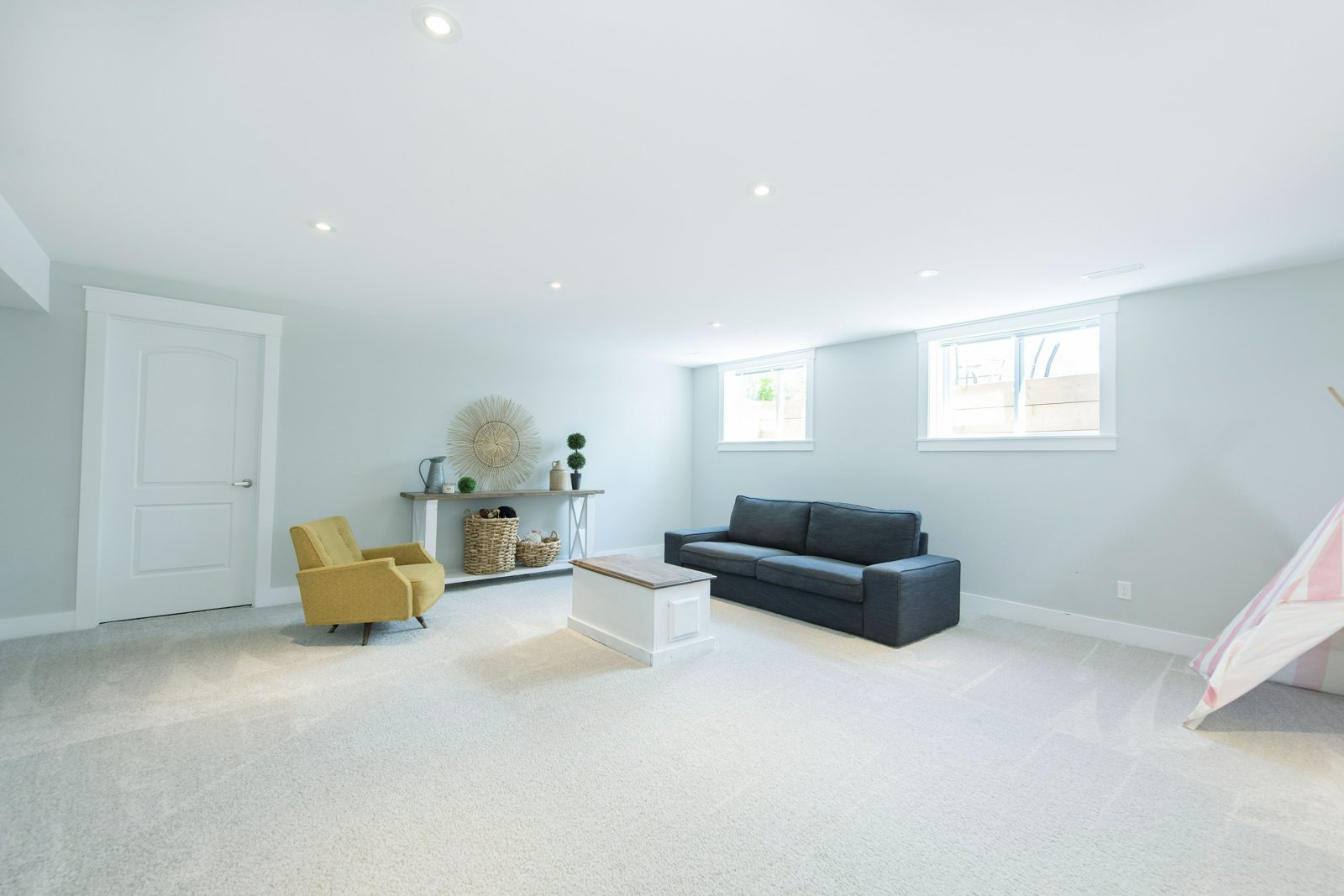
Basements are often chosen for storage, mechanical space, and resale value. Even unfinished basements can add flexibility and are commonly included in custom home projects to support future needs.
What about crawl spaces or slab foundations?
Crawl spaces and slabs can be appropriate in certain situations, but they come with tradeoffs related to access, moisture control, and long term maintenance. Foundation decisions in a custom home should reflect site conditions, budget, and how the home will be used over time.
How big should a new home be?
Many homeowners struggle to estimate square footage early in a custom home project. The right size depends on lifestyle, number of bedrooms, storage needs, and how spaces connect. Thoughtful design can make a smaller footprint feel open and functional while keeping construction costs under control.
Can homeowners bring their own trades into a rebuild?
To deliver a smooth, high-quality building experience, Silver Ridge Design Build manages all trades and subcontractors on our projects.
We work with a trusted network of licensed, insured professionals who understand our construction standards, timelines, and attention to detail. By keeping all trade work under one coordinated team, we’re able to ensure:
- Clear accountability and consistent workmanship
- Reliable scheduling and fewer delays
- Full warranty coverage and quality control
- Proper inspections and building code compliance
- A simpler, lower-stress experience for homeowners
While we understand the desire to work with familiar trades, having a single, integrated team allows us to stand fully behind the finished home and deliver the level of quality our clients expect.
What costs are often overlooked in teardown rebuilds?
Commonly overlooked costs include demolition, utility disconnections, septic upgrades, permit fees, and temporary living arrangements. These items can significantly affect the overall budget of a custom home if they are not discussed early.
When should homeowners start talking to a builder?
The earlier, the better. Engaging a builder during the planning stage of a custom home helps align design decisions with budget realities, site limitations, and long term goals. Early guidance can prevent redesigns and create a smoother path from concept to construction.
Ready to plan your teardown rebuild?
If you are considering tearing down and rebuilding your home as a custom home in St. Thomas, ON, we are happy to help you evaluate your property and talk through the early decisions that matter most. Contact us today or schedule a consultation and start planning with clarity and confidence.